
"Poverty is not what happened to you. It is what you are choosing to stay." That is the uncomfortable conclusion at the heart of a viral essay by writer Enock Chemorion Ndiema, who grew up genuinely poor and spent years mentoring, employing and investing in people trying to escape hardship. His argument is not that poor people are lazy. It is that prolonged poverty quietly trains the mind, and until you confront that training, no amount of help changes anything.
Here are the 5 hard truths from his essay, and the one question he says separates those who escape hardship from those who stay in it.
1. Poverty Trains the Mind to Choose the Fish Every Time
Everyone nods at the old saying: give a man a fish and he eats for a day; teach a man to fish and he eats for a lifetime. Yet most people, Ndiema observes, go straight back to handing out fish, and most recipients keep choosing the fish. Not out of laziness, but because years of survival discipline the mind into short-term thinking so deeply that tomorrow feels like a luxury they cannot afford to believe in. He has seen people offered real structured jobs, with income and growth, walk away within days or weeks, back to whoever gives something for nothing, even if it barely covers one meal.
2. Prolonged Poverty Stops Being a Circumstance and Becomes an Identity
When poverty lasts long enough, it stops being a situation and starts being who you are. And like every identity, it comes with a community, a language and rules for belonging. The sharpest rule: do not rise too fast, or you will be accused of betrayal. Ndiema has watched talented people shrink themselves to stay accepted, and hustlers quietly kill their own ideas because the group did not approve. People will choose a person who keeps them poor over an opportunity that would set them free, because the person feels familiar and the opportunity feels threatening.
3. Poverty Protects Itself
This is the essay's darkest observation: poverty behaves like a system that defends its own existence. It recruits. It guilts. It shames ambition and calls it greed. It mocks sacrifice and calls it foolishness. It celebrates shared suffering because suffering is communal and success is lonely. Anyone trying to climb out will feel this pull first hand from the very people they grew up with.
4. Wealth Begins in the Mind Long Before the Wallet
"Poverty is upstream of the bank account," Ndiema writes. It lives in the mind long before it shows up in the wallet. The reverse is also true: wealth begins as a posture, a decision, a stubborn refusal to stop asking questions, long before it becomes a figure in any ledger. He says he has never met a truly wealthy person who was not, at some point, a ferocious learner, not necessarily in school, but of systems, people, markets and failure. And he has never met a chronically poor person who was not, deep down, allergic to discomfort.
5. The Cure Is Not More Handouts, It Is One Honest Question
Ndiema argues that false compassion is killing people. We keep treating poverty as purely a resource problem, as if enough money, food and programmes will make it disappear, and it never does, because that treats the symptom while the disease goes undiagnosed. The disease is a mindset, and a mindset does not need more fish. It needs a hard, honest, uncomfortable confrontation with one question: not "what do you want?" but "what are you willing to do?" Most people cannot answer it, and that inability, not lack of capital, not the economy, is the real prison.
The One Exception Worth Protecting
For all its severity, the essay ends on hope: if you ever meet a poor person who willingly, genuinely and consistently accepts to learn, protect that person and invest in that person, because that person is not really poor. The one sitting in their hardship saying "teach me, show me, I will do the work" is already leaving. Their body just has not caught up yet.
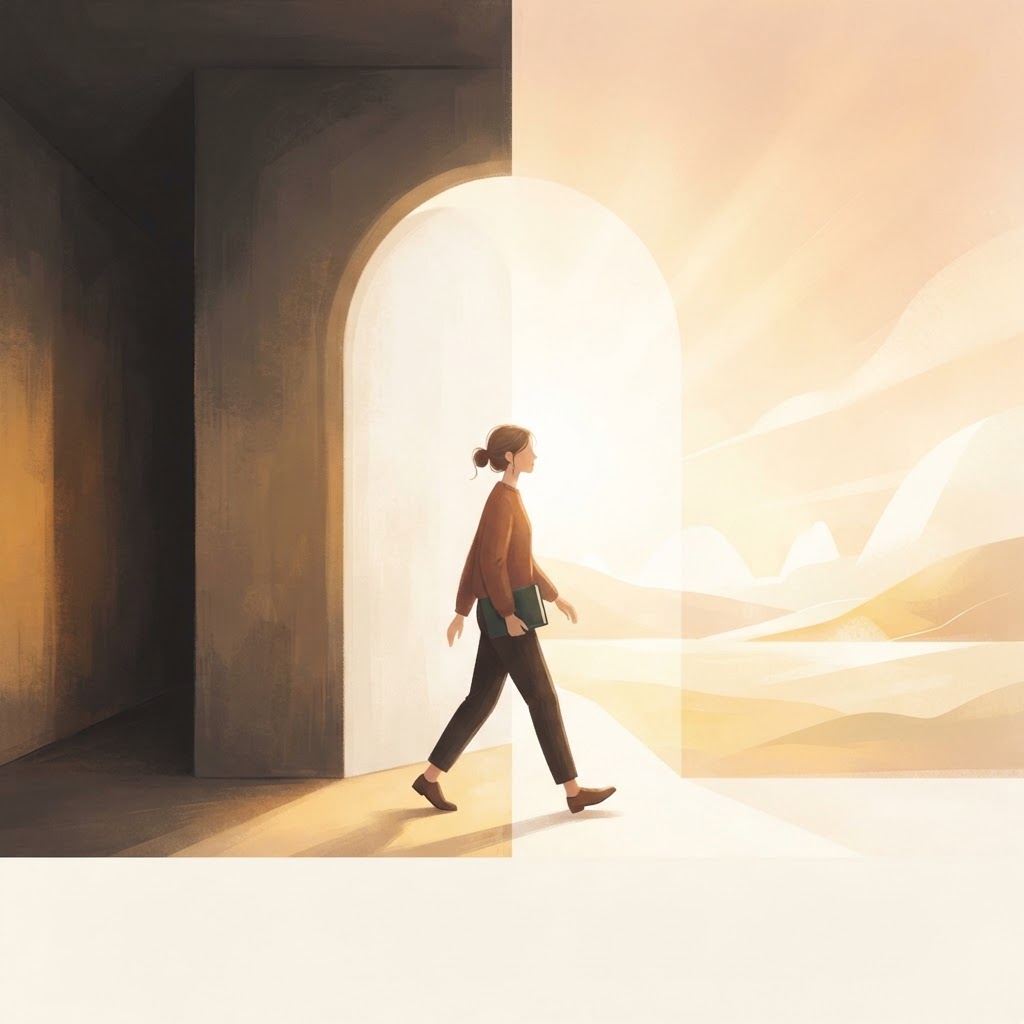
The takeaway is not to despise anyone struggling. It is to be honest about where change actually starts: with the decision to learn and to endure discomfort, today, before the bank account agrees. The door is open. It has always been open.
Source: adapted from Enock Chemorion Ndiema's essay on Facebook.